2026-08-28 ·
How to Spot a Failing Water Heater Before It Floods Your Basement
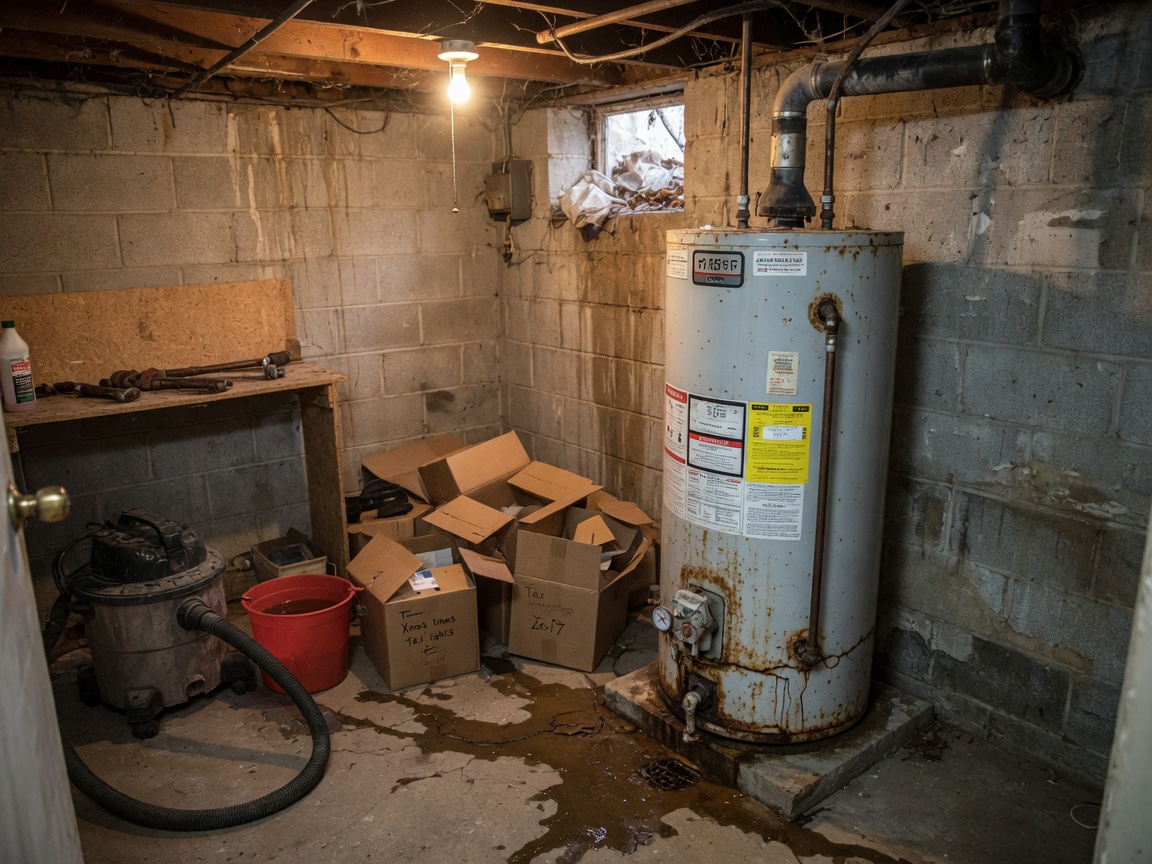
Most water heaters in Montgomery County homes begin to fail between 8–12 years of service. Watch for rusty water, popping sounds, or moisture around the base to catch problems before they flood basements in older Norristown row homes.
Common Warning Signs in Montgomery County Homes
Homeowners in East Norristown and Hancock often notice discolored water first when their 40- or 50-gallon units start corroding from the inside. Rusty or brown water at the tap signals tank deterioration, especially after periods of heavy summer use. Popping or rumbling noises come from sediment layers that build up faster in the region's humid subtropical climate. Leaks at the temperature-pressure relief valve or bottom seams indicate the tank has lost integrity and may release gallons of water into a basement within days. These signs appear regularly in homes near the Schuylkill River Trail where older plumbing accelerates corrosion.
How Norristown's Climate and Housing Stock Accelerate Wear
Hot summers in Montgomery County increase tank pressure and speed mineral scaling from local water supplies. Many properties in Elmwood Park and West Norristown date to the early 1900s with basements that sit close to the water table, making any heater leak more likely to spread quickly. Row homes near the Montgomery County Courthouse frequently have shared walls that hide early moisture until it reaches finished spaces. The combination of age, humidity, and shallow foundations means a failing unit can flood a basement faster here than in newer Philadelphia suburbs. Regular visual checks under the tank help catch seepage before it reaches floor drains.
Step-by-Step Checks You Can Perform
Turn off power or gas and inspect the unit's exterior for moisture rings or rust streaks every six months. Open the drain valve briefly to check for sandy sediment that shortens lifespan in local water conditions. Listen for hissing at connections while the heater is heating, which points to failing fittings common in Hancock homes. Note the installation date on the data plate; units approaching 10 years warrant closer monitoring. If any test shows active dripping, shut off the cold-water supply immediately to limit damage until a plumber arrives.
Preventing Basement Floods in Older Neighborhoods
Install a water heater leak detector with automatic shutoff in homes built before 1960, especially those along the Schuylkill River Trail corridor. Keep the area around the tank clear so any drip becomes visible right away. In East Norriton row homes, pair heater checks with whole house repiping projects when galvanized lines are already present. Schedule annual flushing to remove sediment that forms quickly during humid summers. When a unit shows multiple warning signs, replacement before total failure avoids the emergency calls that spike after heavy rains.
When Local Conditions Require Professional Help
Basements in West Norriton and near Elmwood Park Zoo often sit lower than surrounding grade, turning small heater leaks into standing water within hours. If you see standing water or smell gas, leave the home and contact emergency plumbing right away. Older cast-iron drain lines common in the area can complicate cleanup, as explained in Cast Iron and Terra Cotta: What Montgomery County Homeowners Should Know. Technicians familiar with Norristown's housing stock can assess whether the failure stems from the heater alone or from related pipe issues in the basement slab.